SINCE the Revolutionary War, American soldiers in war zones have been corresponding with their loved ones back home.
There is a massive trove of these irreplaceable letters, emails, and audio recordings available all over America, from every known conflict that U.S. servicemen and women have served in – but so many of them are simply discarded or misplaced as the years go by.
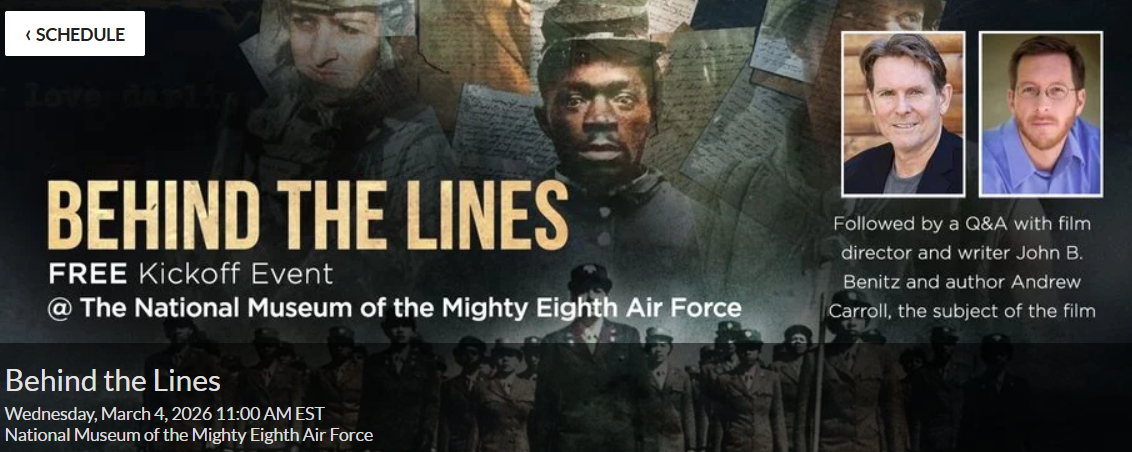
This Wednesday, Hindsight Film Festival is hosting a free festival kickoff screening at the National Museum of the Mighty Eighth Air Force of the remarkable documentary Behind The Lines, which chronicles one man’s crusade to preserve these war letters, from the founding of the Republic through the present day.
The Savannahian is proud to be a media sponsor of the Hindsight Film Festival, the nation's only major film fest devoted to the art of the historical documentary.
Behind The Lines not only tells the story of Andrew Carroll, director of the Legacy Project.
It tells the story of many of those letters – literally tells them, as in it features dramatic readings of letters by a large cast of talented actors.
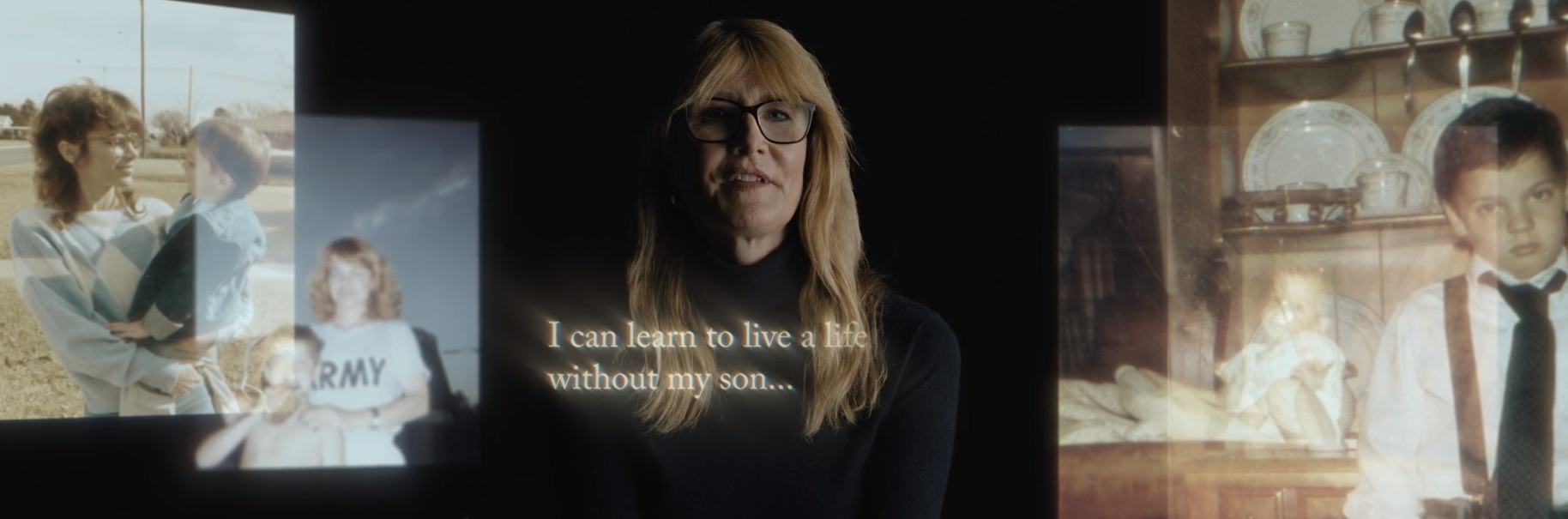
What could have been a generic style documentary with simple voiceover becomes an immersive experience through the addition of these dynamic performances, which include segments with Laura Dern and Wes Studi.
We spoke with Behind The Lines director and writer John Benitz about his film honoring the efforts of Carroll – and by extension honoring all those men and women in the armed forces.
There’s an easy explanation for why Benitz chose to go with live performers for the documentary: The film is based on a play Benitz wrote and has staged successfully.
“It certainly would have been an easier choice in terms of access to available actors if we had just gone with a voiceover,” he explains. “We had to think long and hard who we would lose having to bring them into a studio.”
In the end, Benitz’s passion for live performance and background as a playwright won the day.
"I teach acting. I love actors, I love performance. I think you really gain something with the dramatic material. And they all had such great interest in the project.”
The stories told in these authentic, true-life letters are gripping and almost surreal.
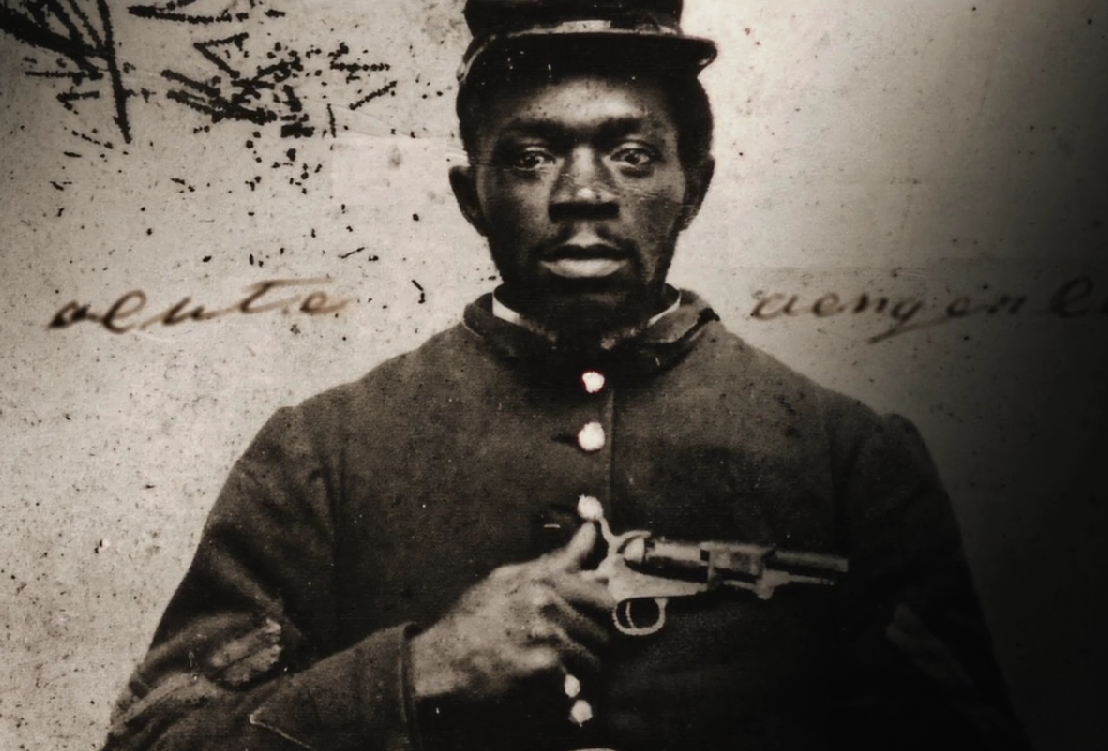
In one letter, Spotswood Rice, an emancipated Black soldier in the Union Army at the end of the Civil War, writes to the plantation owner who still has his young daughter in bondage – basically saying that the young girl would be released one way or another, or face the vengeance of her father.
In another, we experience the torture and tribulation of Tommie Kennedy, an American lieutenant in WWII who died at age 22 as prisoner of war on a Japanese “hellship,” i.e. floating prison camp, notorious for inhumane conditions and treatment.
In another, we hear about Nazi prisoners of war in Louisiana being able to enjoy dining in whites-only restaurants with their guards, while Black U.S. servicemen were still denied entry due to Jim Crow laws in the South.
The dramatic readings combine pathos, sacrifice, compassion, and heroism in equal measures.
But there is a voiceover involved – specifically, the overall narration of acclaimed Academy Award-nominated actress Annette Bening.
Benitz and Bening had collaborated on the stage version of the war letters project, so it was an easy connection to make.
“When we started to pull together the concept of a documentary using the war letters, one idea that I really wanted to pursue was having a woman as narrator,” Benitz explains.
“I wanted to go against the usual idea of having a great male ‘God Voice.’ I felt strongly that in this particular documentary that voice really needed to be a woman’s.”
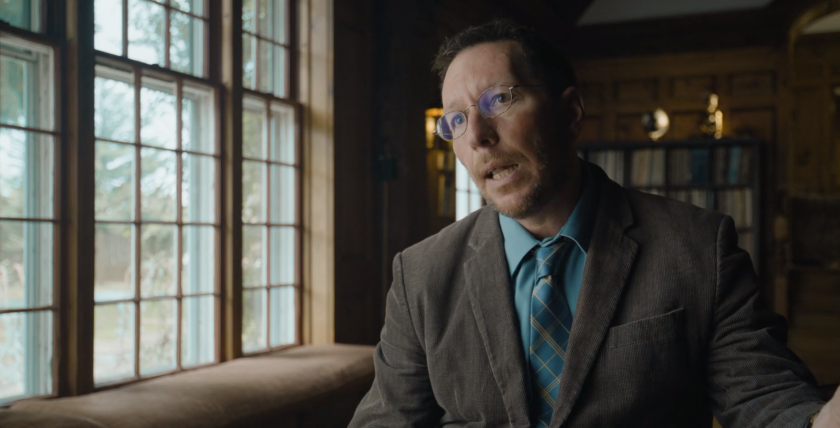
Benitz’s association with war letters archivist Andrew Carroll – who gets most of the facetime in the film – touched off when Benitz read an article about him in National Geographic.
“I thought there was something in these letters that would make a terrific play. I had just gotten finished with a more political piece, and I wanted to do something that specifically wasn’t political,” Benitz says.
The play they collaborated on was a minor hit in the Los Angeles area, where Benitz is based. But the catalyst for the film came when two elderly Korean War veterans spoke up at a Q&A session after one performance of the play.
“One old fellow raised his hand, and asked, ‘So when is the whole world going to be able to hear about these letters?’” Benitz remembers.
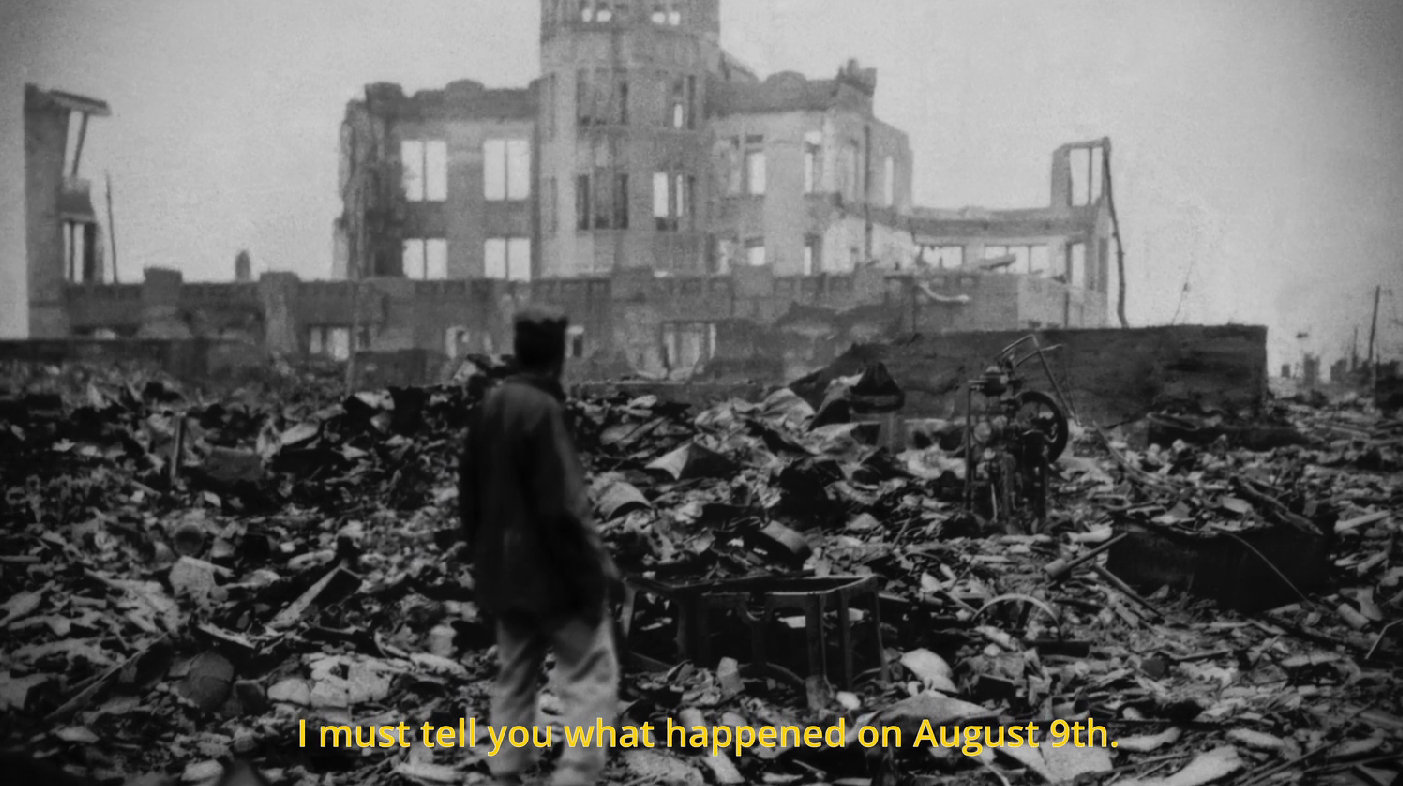
While at this point in U.S history we can have a conversation about what are so-called “good” wars – World War Two, and the Union side in the Civil War, to name two obvious examples – vs. not-so-good wars, Benitz says that isn’t the point of this film at all.
“We just want to be truthful about the experience of these soldiers, honor their sacrifice, and tell human stories,” he says.
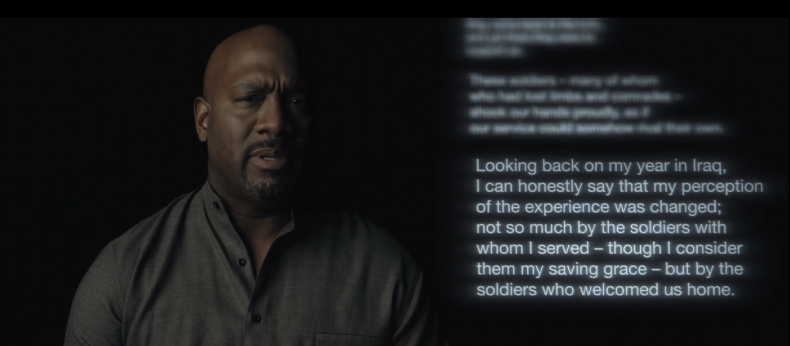
As an example, he mentions one letter writer in the film, Ed Hrivnak, a medic in the Iraq War.
His story is not a political story – he was a career medic asked to do a job. That’s the case with nearly all the troops we talked with. It’s a prevailing theme. They signed up to do a job, to serve their country.”
Wednesday's screening is FREE but you need to register here.